Halloween has some pretty cool roots that go way back in time! It all started with the ancient Celtic festival called Samhain. This festival marked the end of the harvest season and the onset of winter. Celts believed that on the night before November 1st, the boundary between our world and the spirit world blurred. They thought that ghosts roamed around, returning to visit their homes. To keep these spirits happy—or to ward them off—people would light bonfires and wear costumes.
Fast forward to the Roman Empire, and things began to mix up a bit. When the Romans conquered Celtic territories, they brought their own traditions. One of these was Feralia, a day in late October to honor the dead, and Pomona's day, celebrating the goddess of fruit and trees. This blend of customs really set the stage for what we know today as Halloween.
As Christianity spread, church leaders tried to replace Samhain with a holiday called All Hallows' Eve, celebrated on October 31. This was a time to remember saints and martyrs, but over time, the original spooky vibes of Samhain seeped into the day. The name eventually shortened to Halloween, and people kept the tradition of dressing up, lighting candles, and enjoying festive activities.
In the 19th century, Irish immigrants brought Halloween to the United States. They added their own touch with fun parades, parties, and the trick-or-treat tradition we love today. Kids started dressing up in costumes and going door to door for candy. It quickly grew into the family-friendly holiday we all enjoy, mixing a bit of spooky fun with community spirit.
Celtic Traditions Explained
Celtic traditions are where a lot of our Halloween customs come from. These ancient people had a big connection to nature and the changing seasons. They celebrated the end of the harvest with a festival called Samhain. This wasn't just a regular party; it was when they believed the boundary between the living and the dead was at its thinnest. Spirits could roam freely, so the Celts would light bonfires and wear costumes to ward off any unwanted guests.
During Samhain, people would celebrate by gathering with loved ones, sharing stories, and honoring their ancestors. They believed that the souls of the departed would visit their homes, so they set out food and lit candles to welcome them in. It was a time for reflection and connection, not just a spooky thrill. Families would even leave treats on their doorstep, a custom that has evolved into our trick-or-treating today.
Celtic festivals often included feasting and various games. One popular game involved bobbing for apples, which tied into the theme of harvest and new beginnings. Apples were a symbol of life and rebirth, which adds depth to the festivities. You can see why this time of year felt so magical and significant for the Celts.
As time went on, these traditions blended with other cultures, but the core ideas remained. The themes of remembering the past, celebrating life, and embracing the mystery of what lies beyond shaped what we know as Halloween today. So when you carve pumpkins or don a costume, know that you're taking part in a rich tapestry of celebration that stretches back centuries!
Symbols and Their Meanings
Halloween is filled with symbols that have fascinating meanings, many of which date back centuries. Each one tells a story, connecting us to the past and the traditions that shaped this spooky celebration.
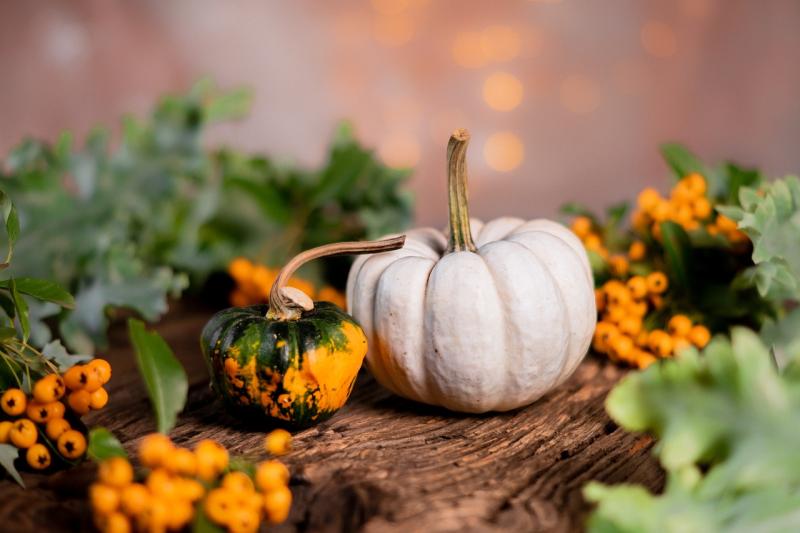
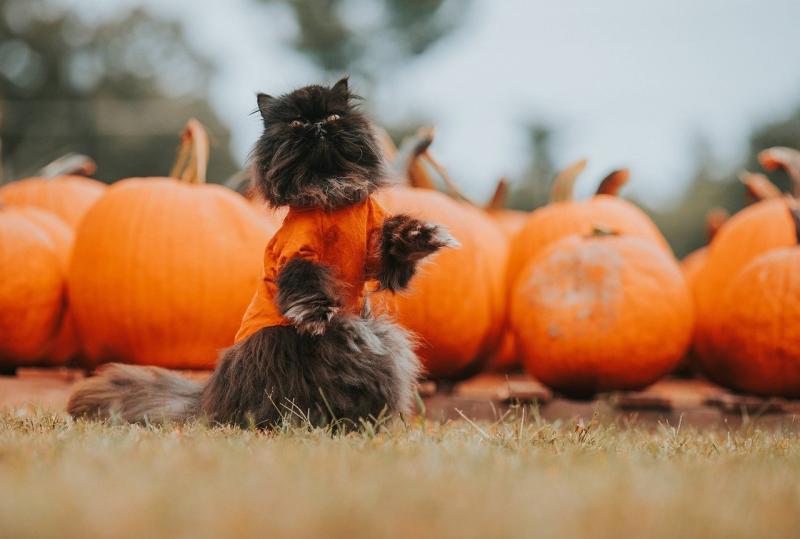
First up, we have the pumpkin. Carved into jack-o'-lanterns, pumpkins symbolize protection against evil spirits. Originally, people used turnips or potatoes, but in America, pumpkins became the choice because they're easier to carve and brighter. When you see a jack-o'-lantern, it's a friendly reminder of those old beliefs.
Next, think about black cats. These furry friends often get a bad rap around Halloween. In some cultures, they’re seen as witches’ companions, but many believe they bring good luck. The mixed signals about black cats add a bit of mystery to the season and remind us that not everything is as it seems.
Then, there’s the classic ghost. Ghosts represent the spirits of the dead returning to the living world. They remind us of our loved ones who have passed on, and that life goes on in different ways. Ghost decorations, from friendly to spooky, capture this idea perfectly!
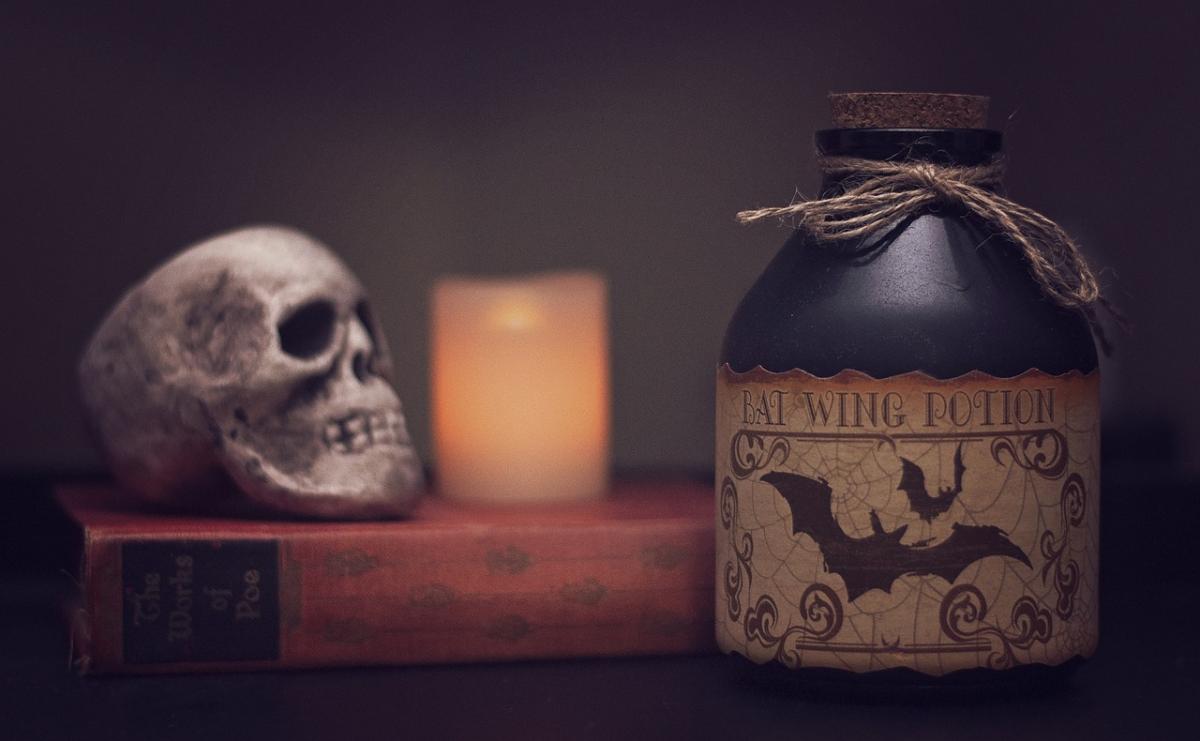
And let’s not forget bats. Often linked to witches and Halloween lore, bats symbolize transformation and change. They hang upside down, representing a different perspective on life and the unseen world. So spotting a bat decoration can be a fun nod to these deeper meanings.
Modern Celebrations Around the World
Halloween isn’t just about spooky costumes and candy; it’s part of a bigger picture when it comes to celebrations around the world. Different cultures have their own unique ways of honoring the dead, celebrating harvests, and embracing the changing seasons.
In Mexico, the Day of the Dead, or Día de los Muertos, shines bright every November 1st and 2nd. Families set up altars with photos, favorite foods, and even marigold flowers to welcome the spirits of their loved ones back home. It’s colorful, joyful, and a beautiful way to remember those who have passed.
Over in Ireland, they celebrate Samhain, the festival that inspired many Halloween traditions. People believed that on this night, the boundary between the living and the dead was thin. Bonfires lit up the night as folks gathered to tell stories, share food, and ward off wandering spirits.
In South Korea, Chuseok is a harvest festival celebrated in September or October. During this time, families honor their ancestors by visiting their graves and preparing special meals. It’s a time for feasting and coming together, focusing on gratitude and remembrance.
All these celebrations remind us that while Halloween has its spooky side, it’s really about connection—whether with family, friends, or those who have crossed over. Each culture has its own spin, making the fall season rich with traditions all around the globe.